|
Introduction
I still remember the first time I bought a reader for my students. I looked through all
the readers in my local bookstore, and finally found one with an interesting story written
at my students' level. However, when I sat down to prepare a lesson to go along with
the story, I realized that I had little idea what to do, beyond either reading the story
to my students, or telling them to read the story. It seemed like a waste of a good language
opportunity, so I started looking for ways to get the most out of my readers (both the
books and my students!).
What follows is the approach that has grown out of my initial frustration. I still consider
it to be a work in progress. After an explanation of each step in using readers, I'll
include a couple of the activities that my students enjoy.
While I usually follow this basic sequence, I do vary the pace. Sometimes I'll take a brief
break from our textbook and devote an entire class (or more) to studying a story. Sometimes, I'll
devote the last ten minutes of several classes to studying a story, breaking up the steps into
manageable segments. Both ways work fine.
Step 1: Preview the Story
Get students ready to read the story. Present vocabulary that might cause problems, activate
their prior knowledge. Get students to predict what the story will be about.
Examples of Previewing Activities:
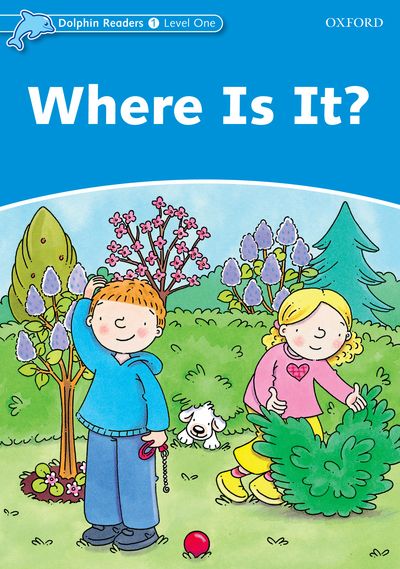
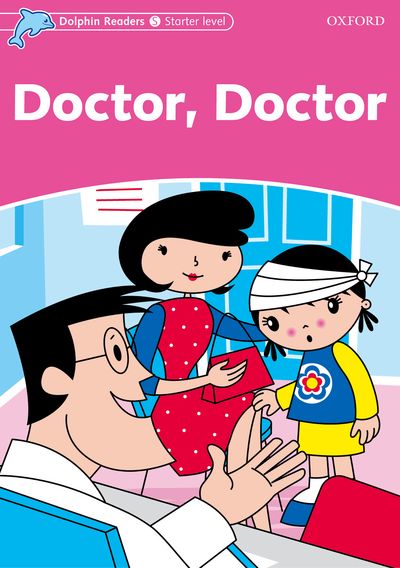
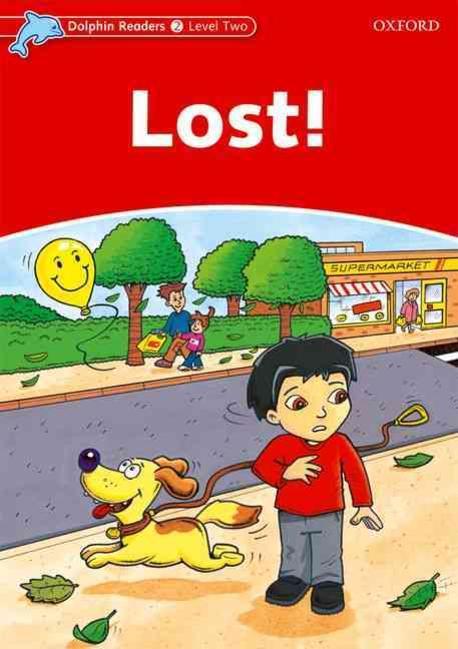
* Look and Predict (look at the cover of the reader, look at the illustrations).
* Brainstorm possible vocabulary. See what students already know about the theme.
Step 2: Read the Story Aloud
Students' listening comprehension is usually higher than their reading comprehension.
Listening and following along often results in better comprehension than simply reading
independently. Also, reading along with a cassette, or at the teacher's pace, encourages
students to focus on the story, rather than on unfamiliar vocabulary.
Step 3: Focus on Vocabulary
For the most part, I prefer stories that have no more than 3 new words per page for my younger
students (usually stories with less than 300 words total) and no more than 4 or maybe 5 new
words for my older students. I like to bring in stories that my students can understand with
the language they have already learned, so that the focus of reading remains the story, not
the unfamiliar vocabulary.
When introducing new vocabulary, allow students to continue listening until the story comes to
a natural break, either the end of a sentence or the end of a page. This enables students to
construct a more complete understanding of the context surrounding the unfamiliar word, and
improves their ability to guess the meaning of new words.
I model word identification strategies for students by thinking aloud as I read a passage. I
encourage them to use all of their resources in guessing the meaning of unfamiliar words by
asking key questions:
"Can I find another word that will work in this word's place?"
Look at the story around the unfamiliar word, and at the sentences that come before and after
it. What kind of word would make sense in its place? Try substituting another word and reread
the passage. Even if the substituted word is not an exact synonym, the process will bring
students to a closer understanding.
"What kind of word is this?"
Although students don't need to know the labels for describing parts of speech (noun, adjective,
verb, etc.) they soon develop enough of an intuitive sense of language to be able to identify
the type of word (without labeling it). If they don't have confidence in their ability to do
this, try substituting an incorrect type of word (putting a verb in place of a noun, for example).
Students can usually tell you that the sentence is wrong, even if they can't explain why.
"Does this word look like any other words I already know?"
Can students "sound out" the unfamiliar word? Does it contain any parts that students
have seen before (like affixes, or root words). Sometimes students will recognize a word that
they have heard but never seen written.
Step 4: Read the Story Again
Students build reading fluency by rereading a story (many times!). Words that they learn in the
context of one story become familiar when encountered in a new story. Students are able to
improve their reading speed through rereading as they become faster at identifying the words in
the story. They are able to understand more of the story, or appreciate details missed in an
earlier reading.
In my classes we usually reread stories two or three times. Sometimes we reread a story fewer
or more times, depending on a particular class's level, or interest in a story. As mentioned
earlier, the rereading activities do not need to be completed consecutively. Students can reread
a story between completing writing, comprehension, or extension activities to maintain their
interest and recall.
Oral vs. Silent Reading
I like to include three types of reading in my lessons. First, students should have opportunities
to hear stories read aloud to them (or listen to cassette). Second, students should have
opportunities to read stories aloud. Especially with shorter stories, students enjoy reading aloud.
Oral reading also provides teachers with a chance to check students' decoding strategy
development by hearing what kinds of word substitutions they make, or how they attempt to sound out
unfamiliar words.
However, as stories become longer, oral reading becomes unwieldy. Students should still have chances
to read passages of stories aloud, but for the most part this type of reading will be for the purpose
of participating in a reader's theater activity, supporting opinions, or supporting answers to
comprehension questions. Rereading at this stage evolves naturally into silent reading. As students
improve their reading fluency, they are able to understand the story through silent reading faster
than they are able to read aloud, and will become frustrated if restricted to oral recitation.
Examples of Rereading Activities:
* Read and Recall. Students read the story silently, in pairs. After each page or two, they
stop, and students take turns recalling what happened up to that point in the story. Another variation
is to have students take turns trying to remember what will happen next in the story.
* One new thing. Also in pairs. After each page or two of silent reading, students identify
one new detail that they hadn't noticed previously.
* After each page or two of silent reading, students take turns asking each other a question
about the section they've just read.
Page 1 | Page 2
<<Back Number | Top |
Recent Issue>>
|